Pipeline Surveillance Contracts Under Fire as Community Leaders Demand Decentralization
- by Elaye, Bayelsa, HSN
- about 4 months ago
- 472 views
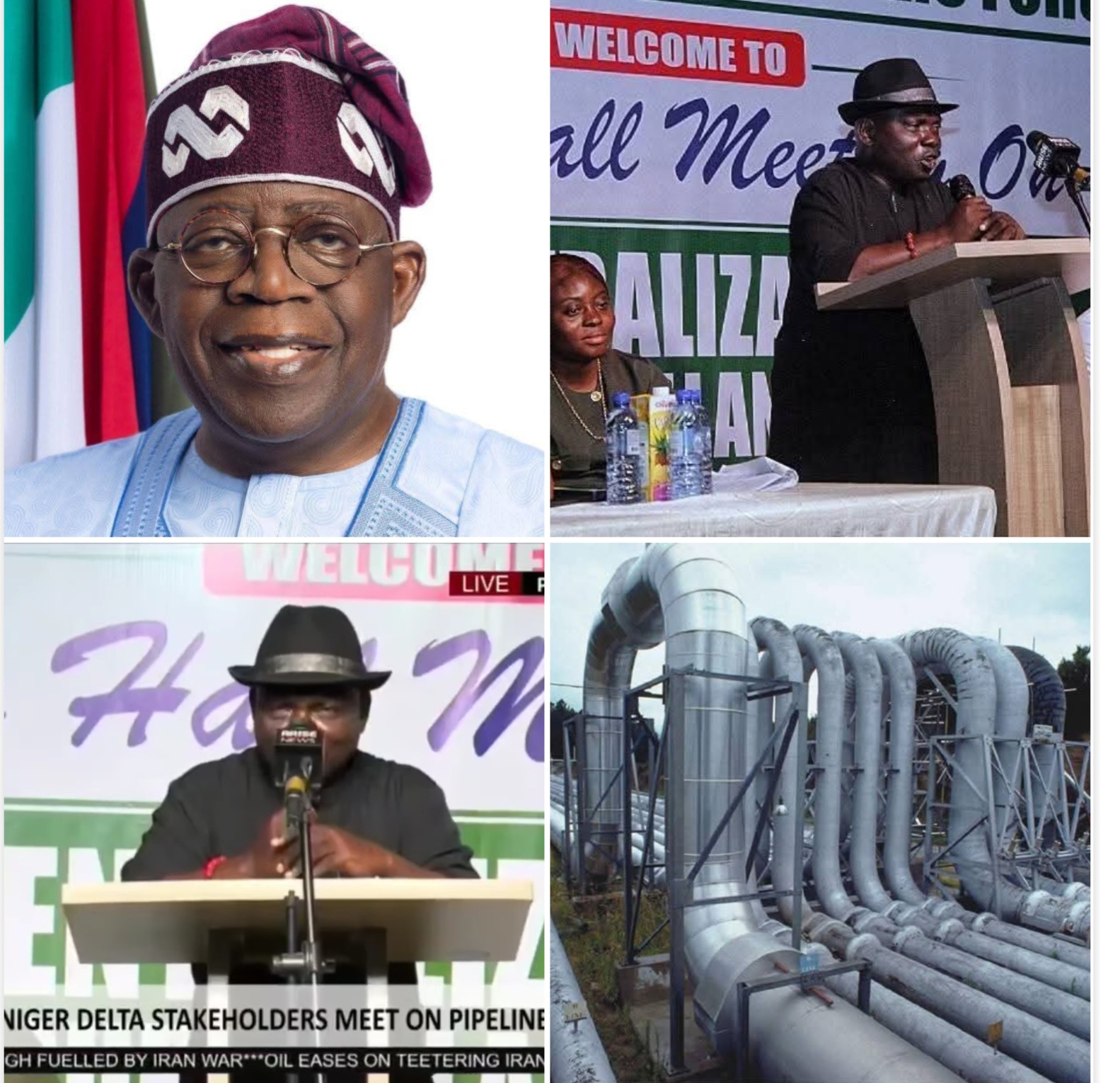
...As Chief Mathias Efe Olowu Speaks Against Internal Oppression in the Niger Delta
It was not a day for politics, and it was not a day for empty speeches. It was a day of truth, emotion, and a powerful call for unity among the people of the Niger Delta.
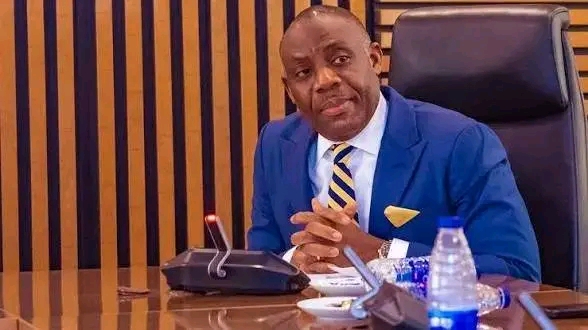
Chief Mathias Efe Olowu, National Chairman of the Odavwe R’Urhobo Group, stood before the crowd with passion in his voice and concern in his heart as he addressed what he described as one of the greatest threats facing the region today.
According to him, the Niger Delta people have spent decades resisting external domination from outsiders who exploited the region and its resources. But today, a more dangerous battle has emerged from within.
He explained that the struggle has changed from fighting foreign exploitation to confronting a system where a few powerful individuals allegedly monopolize opportunities and resources meant for the collective benefit of all Niger Delta communities.
Chief Olowu stressed that this growing culture of selfishness and exclusion is dangerous and must not be allowed to continue. He called on all Niger Deltans to rise with one voice and reject any form of internal colonization that sidelines entire communities while enriching only a privileged few.
In an emotional moment during his speech, he reflected on the sacrifices of past Niger Delta heroes and freedom fighters who dedicated their lives to the struggle for justice, equity, and regional development. He mentioned respected names such as the late Sir Wiwa, late Isaac Adaka Boro and many others, describing them as men who fought not for personal gain or tribal supremacy, but for the collective interest of the entire Niger Delta region.
“These men did not struggle for one family, one tribe, or one group,” he emphasized. “They fought for all of us.”
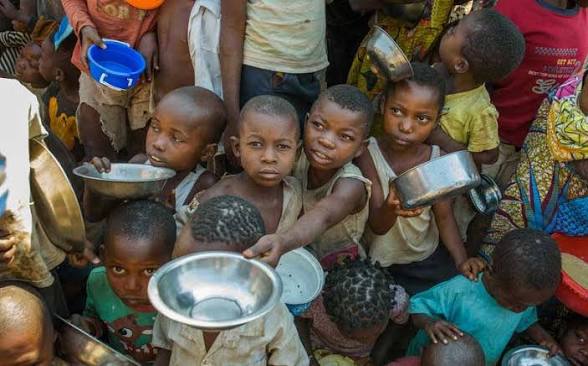
Chief Olowu lamented that the current situation has deviated from the ideals of those early heroes. He criticized what he described as the concentration of pipeline surveillance contracts and oil-related benefits in the hands of a select few, while the wider communities continue to suffer neglect and hardship.
He questioned why entire communities should bear responsibility for protecting oil infrastructure under the Petroleum Industry Act (PIA), yet not be given equal opportunities or authority in securing those same pipelines.
“If communities are to be blamed whenever pipelines are vandalized, then those communities must also be empowered to protect them,” he argued.
The Urhobo leader repeatedly echoed the phrase that became the defining message of his speech:
“Guide your pipeline, let me guide my own.”
To him, the solution is simple — decentralization, fairness, and inclusion. Every ethnic group and community in the Niger Delta, he said, should have the opportunity to participate in the surveillance and protection of oil facilities within their territories instead of allowing control to remain in the hands of a few individuals claiming authority over the entire region.
Chief Olowu also referenced respected Niger Delta figures such as Adaka Boro and Ken Saro-Wiwa, noting that even during their struggles, they never presented themselves as overlords of the entire Niger Delta. Instead, they fought for justice while using their communities as examples in the broader fight for equity and environmental justice.
He warned against what he described as a “lordship mentality” emerging in modern times, where certain individuals attempt to dominate the entire region politically and economically. According to him, such an attitude contradicts the values and sacrifices of the region’s founding heroes.
For many present, the speech was more than just words, it was a reminder of the unfinished struggle for fairness, inclusion, and justice in the Niger Delta.
Chief Mathias Efe Olowu’s message was clear: the wealth of the Niger Delta belongs to all its people, not a select few, and the time has come for every community to stand together and demand equity, accountability, and equal participation.



0 Comment(s)